How to Make Makeup Last Longer Throughout the Day: A Step-by-Step Guide
| Updated: October 2026 | Read time: 12 minutes | Practical, evidence-aware advice |
Most people who want to make makeup last longer assume the answer is a stronger product. In practice, wear time depends far more on what happens before, during, and after application than on any single formula. Skin oil, sweat, friction, and humidity break makeup down through the day, and the right habits slow that process considerably.
This guide follows the sequence professional makeup artists commonly use to make makeup last longer: prepare the skin, apply thin layers, set selectively, and touch up with restraint. It also covers adjustments for oily, dry, and humid conditions, along with the hygiene habits that keep products working as intended.
Everything here is general advice, not medical guidance. If a product irritates your skin, stop using it and speak with a pharmacist or dermatologist. For the skin-care steps that sit under your makeup, see our morning skincare routine for beginners, since good preparation is the first thing that helps make makeup last longer.
The method at a glance
- Prepare clean skin with moisturizer, sunscreen, and an optional primer
- Build foundation in thin, blended layers
- Set with a light dusting of powder where skin gets oily
- Finish with a setting spray
- Touch up by blotting first, powdering second
Table of contents
- Why makeup wears off before the day ends
- Step 1: Prepare the skin
- Step 2: Apply foundation in thin layers
- Step 3: Set with a light dusting of powder
- Step 4: Finish with a setting spray
- Making eyes, lips, and cheeks last
- Matching your routine to skin type and weather
- Touching up through the day
- Common mistakes to avoid
- Clean tools, fresh products, and removal at night
- Frequently asked questions
1. Why Makeup Wears Off Before the Day Ends
Understanding why makeup fades makes it easier to make makeup last longer. Three things do most of the damage: sebum, the skin’s natural oil, which gradually breaks down foundation; sweat and humidity, which loosen it; and friction from hands, phones, and clothing, which rubs it away.
Skin condition plays a part as well. Makeup applied over dry, flaky skin clings to patches and looks uneven, while makeup applied over skin that is overly slick can slide. To make makeup last longer, you want skin that is clean, hydrated, and not freshly oiled when you begin.
Each of these causes has a simple counter, and most cost nothing. The sections below follow the order in which you would apply products, because the order itself is one of the most dependable ways to make makeup last longer.
2. Step 1: Prepare the Skin
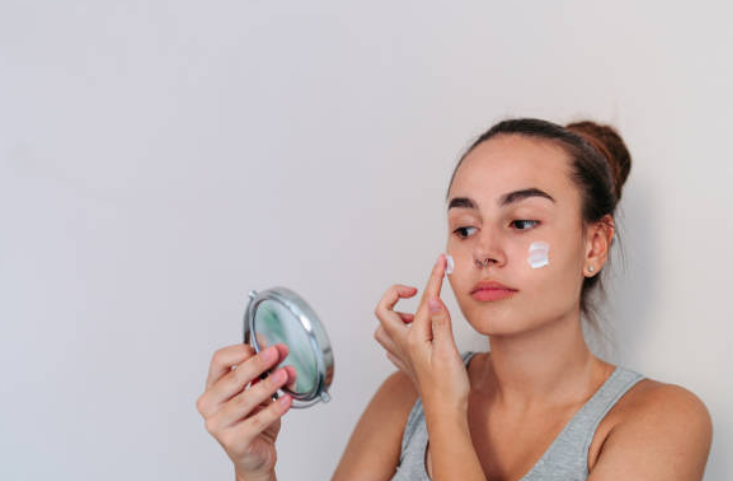
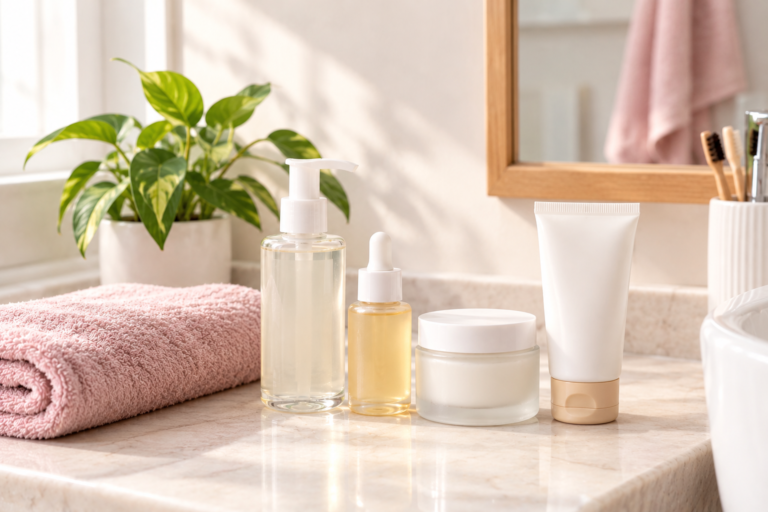
Moisturizer applied before makeup helps make makeup last longer. Photo by Aleksandar Nakic / Getty Images
Preparation is the least glamorous step and the one that most reliably helps make makeup last longer. Start with clean skin, then apply a moisturizer suited to your skin type: a gel or lightweight lotion for oily skin, a cream for dry skin. Hydrated skin holds foundation more evenly than dry or tight skin.
Give the moisturizer a few minutes to absorb before moving on. Makeup artists commonly recommend waiting two to five minutes, because foundation layered over product that is still wet can pill and slip, which works against any plan to make makeup last longer.
Sunscreen goes on before makeup. The American Academy of Dermatology recommends a broad-spectrum, water-resistant sunscreen of SPF 30 or higher, and a foundation with SPF is not a reliable substitute, since most people apply far less foundation than the amount used to test SPF. Applying sunscreen first also gives you a smooth, even base, which helps make makeup last longer.
A primer is optional but useful. Silicone-based primers soften the look of pores and fine lines and give foundation something to grip, while hydrating formulas suit dry skin. As a rule of thumb, pair silicone-based primers with silicone-based foundations and water-based with water-based, because mismatched layers can separate. Use a small amount where makeup fades first, usually the center of the face, to make makeup last longer without adding weight.
3. Step 2: Apply Foundation in Thin Layers
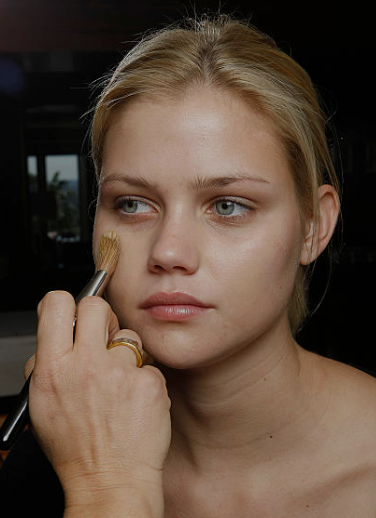
Blending foundation in thin layers gives a smooth finish. Photo by Kirk McKay / Getty Images
The most common reason foundation breaks up by midday is that too much was applied at once. To make makeup last longer, use thin layers and build coverage only where you need it. Thick layers are more likely to crease around the nose and eyes and to shift as skin produces oil.
Start with a small amount, spread it from the center of the face outward, and blend with a damp sponge, a dense brush, or clean fingertips. Pressing product into the skin instead of dragging it across tends to give a smoother, more durable finish, which helps make makeup last longer with less product.
Add concealer after foundation, only where it is needed, and blend the edges. Let each layer settle for a minute before the next. Layer order matters too: creams and liquids go on before powders. Following that order is a dependable way to make makeup last longer, because powder anchors the layers beneath it.
4. Step 3: Set with a Light Dusting of Powder
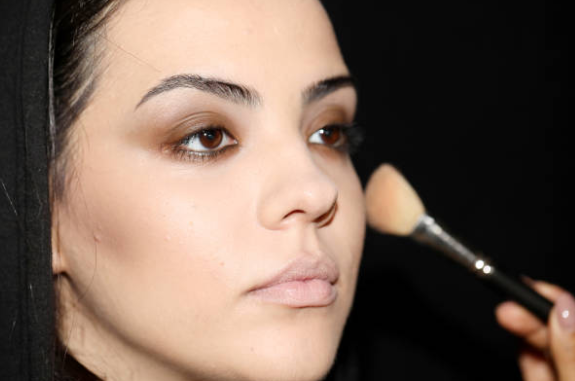
A fluffy brush deposits a light, even layer of powder. Photo by Ferda Demir / Getty Images
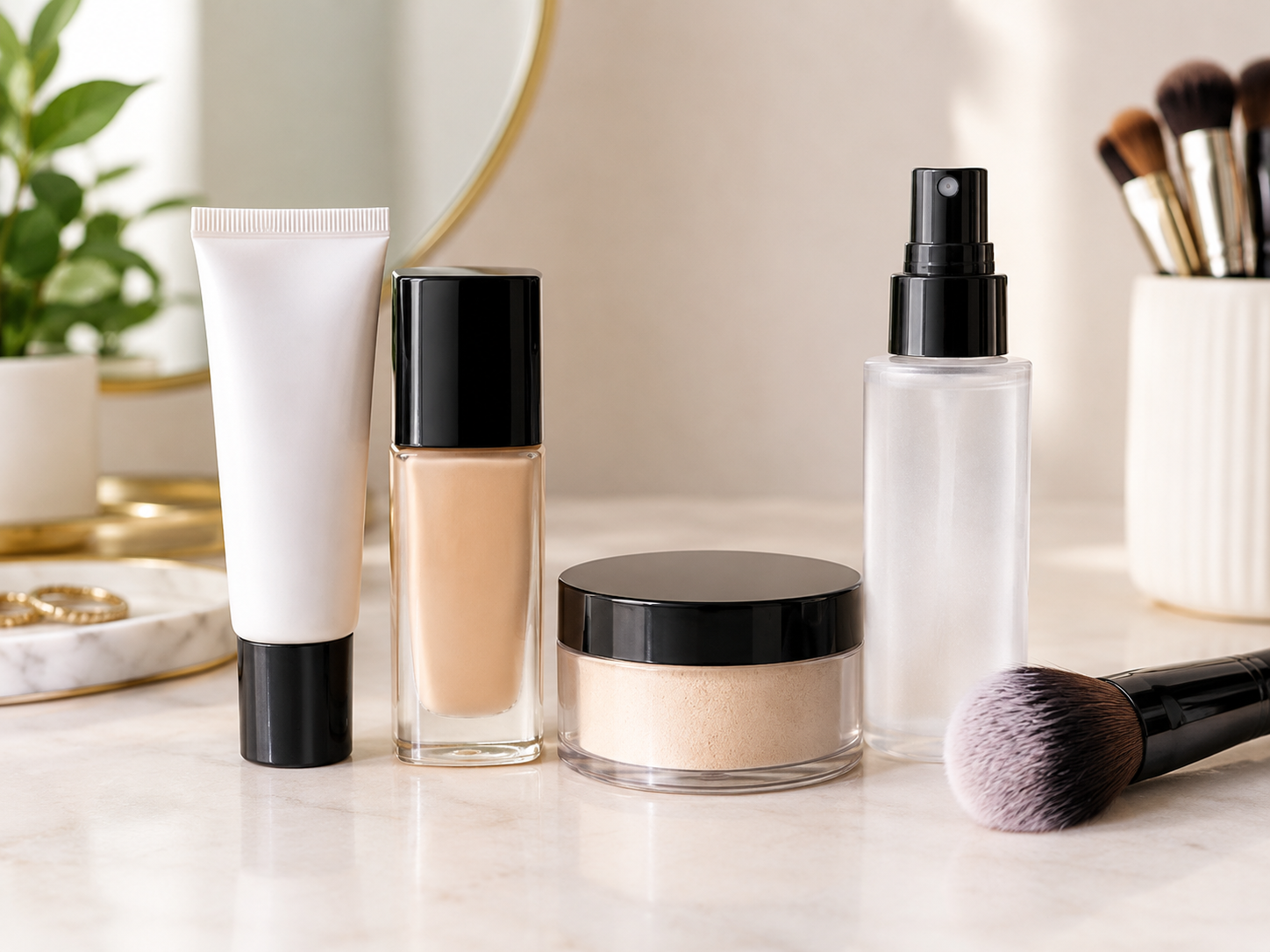
Powder is what locks a liquid or cream base in place, and a light touch is enough to make makeup last longer without a dry or cakey look. Choose a finely milled translucent powder, pick up a small amount on a fluffy brush, and tap off the excess before it touches your face.
Focus on the areas that get oily first: the forehead, the sides of the nose, and the chin. Press or sweep gently instead of rubbing. Under the eyes, use even less, since heavy powder can settle into fine lines. For dry skin, setting only the center of the face is often enough to make makeup last longer.
Pressed powder is handy for touch-ups, while loose powder usually gives a lighter, more even application at home. Either way the principle is the same: a thin, targeted layer sets makeup, while a heavy one works against your goal to make makeup last longer.
5. Step 4: Finish with a Setting Spray
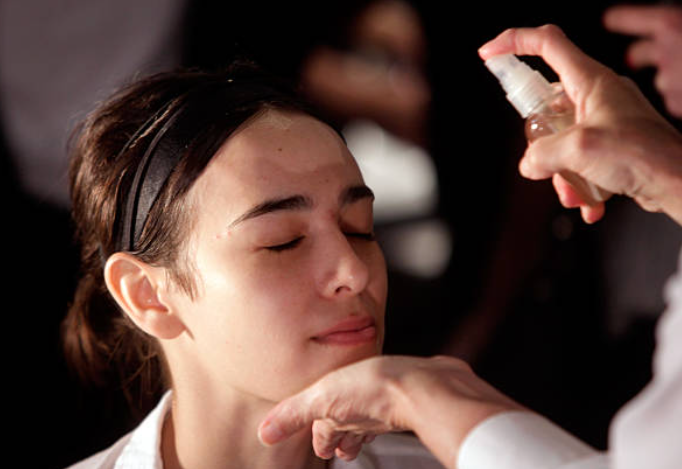
Setting spray is applied last, at arm’s length. Photo by Thos Robinson / Getty Images
A setting spray is the final layer, and it is a low-effort way to make makeup last longer. Hold the bottle about an arm’s length from your face, close your eyes and mouth, and spray in a light X and T pattern. Let it dry without touching your skin.
Formulas differ. Some are alcohol-based and dry quickly to control shine, while others are hydrating and soften powder on dry skin. If your skin is sensitive, an alcohol-free, fragrance-free spray is the gentler place to start, and a patch test before the first full use is sensible. Choosing a formula that suits your skin is part of how to make makeup last longer comfortably.
A spray cannot rescue poor preparation, but it helps hold a well-built base and blends powder into the skin for a more natural finish. Treat it as the closing step that helps make makeup last longer, not as a substitute for the steps before it.
6. Making Eyes, Lips, and Cheeks Last
Different areas of the face wear differently, so a few targeted habits help make makeup last longer everywhere, not just on the base.
- Eyes: apply a thin layer of eyeshadow primer or a little concealer, set it with a matching powder, then add shadow. Waterproof mascara holds up in humidity but needs a proper remover at night.
- Lips: outline and fill in with a liner close to your lipstick shade, apply color, blot with a tissue, then add a second thin layer.
- Cheeks: use a cream blush under powder, or a powder blush over set skin, so the textures anchor each other.
- Brows: a clear or tinted gel keeps hairs in place through the day.
Layering the same shade in two textures is a simple way to make makeup last longer, because each layer holds the one beneath it.
7. Matching Your Routine to Skin Type and Weather
No single method will make makeup last longer for every skin type or climate, so adjust to your conditions. The table gives practical starting points rather than strict rules.
| Skin or conditions | Prep | Base and setting |
|---|---|---|
| Oily | Gel moisturizer, oil-free primer | Thin, lightweight foundation; powder on the T-zone; mattifying spray |
| Dry | Rich cream, hydrating primer | Cream or hydrating foundation; powder only where needed; hydrating spray |
| Combination | Light lotion, primer on the T-zone only | Medium coverage in thin layers; powder in the T-zone only |
| Sensitive | Fragrance-free moisturizer | Fragrance-free foundation; minimal powder; alcohol-free spray after a patch test |
| Hot or humid weather | Lightweight moisturizer | Waterproof or long-wear formulas in thin layers; powder and spray; carry blotting papers |
In heat and humidity, lighter layers usually work better than heavier ones, because thick product slides faster in sweat. If you are unsure which row fits, begin with the gentlest options and change one step at a time to see what helps make makeup last longer for you.
8. Touching Up Through the Day
Resist the urge to add more powder every time your face feels shiny. To make makeup last longer across the whole day, blot oil first with a blotting paper or a clean tissue, pressing gently instead of rubbing, and then add a small amount of powder only where it is needed.
Keep your hands off your face as much as possible, since touching moves makeup and transfers oil and germs. A mini setting spray or hydrating mist can refresh dry skin, but use it sparingly: a heavy mist over powder can leave makeup patchy, which defeats the aim to make makeup last longer.
9. Common Mistakes to Avoid
Most attempts to make makeup last longer fail for a handful of predictable reasons. These are the ones worth fixing first:
- Skipping skin preparation. Makeup cannot hold evenly on dry, flaky, or uncleansed skin.
- Applying foundation too thickly. Thin layers blend better and shift less.
- Layering over wet products. Moisturizer and sunscreen need a few minutes to settle.
- Powdering too early or too heavily. Cream and liquid products go first, and powder should be a light finishing layer.
- Mixing incompatible bases. Water-based and silicone-based layers can separate and pill.
- Re-powdering instead of blotting. Powder over oil builds up and looks heavier by the afternoon.
Fixing even two of these is often enough to make makeup last longer noticeably, without buying anything new.
10. Clean Tools, Fresh Products, and Removal at Night
Clean tools help make makeup last longer and protect your skin. A study in the Journal of Applied Microbiology (2020) found that many used makeup products and applicators carried microorganisms, with damp blending sponges among the most contaminated. Wash brushes and sponges regularly, with many makeup artists suggesting roughly once a week for tools used on the face, and let them dry fully.
Product age matters as well. The FDA and the American Academy of Dermatology advise replacing mascara about every three months, and discarding any makeup that changes in smell or texture or that irritates your skin or eyes. Fresh products apply evenly, which is another practical way to make makeup last longer.
Finally, remove makeup before you sleep. Leaving it on can clog pores and irritate skin, and water-resistant formulas need a proper remover. Our simple night skincare routine explains the removal steps, and a clean start tomorrow is part of how you make makeup last longer next time.
11. Frequently Asked Questions
How can I make makeup last longer on oily skin?
Use an oil-free gel moisturizer and primer, apply foundation in thin layers, and set only the T-zone with a light dusting of translucent powder. A mattifying setting spray can help, and blotting oil before re-powdering will make makeup last longer through the afternoon.
Does primer really help makeup last longer?
It can, especially on oily or textured skin, because it creates a smoother surface for foundation to grip. It is optional, though. Good hydration, thin layers, and light setting often make makeup last longer without it, and a primer works best when it matches the base of your foundation.
Should I use setting powder or setting spray?
They do different jobs, and using both gives the best result for most people. Powder locks the base in place on oily areas, while a spray holds the whole look together and softens any powdery finish. Dry skin may need only a spray, and very oily skin may benefit from both to make makeup last longer.
Why does my foundation look cakey after a few hours?
The usual causes are applying too much product, skipping moisturizer, or using too much powder. Hydrate first, use thinner layers, and set lightly. These adjustments make makeup last longer and look smoother, because less product is available to crease or settle into fine lines.
Can I make makeup last longer in hot, humid weather?
Yes. Choose lightweight or waterproof formulas, apply them in thin layers, and set with powder and a spray. Carry blotting papers to remove sweat and oil without disturbing the base, which helps make makeup last longer when conditions work against it.
How often should I replace makeup and wash my brushes?
Replace mascara about every three months, and discard any product that smells different, separates, or irritates your skin. Many makeup artists suggest washing face brushes and sponges roughly once a week. Clean tools and fresh products apply more evenly, which helps make makeup last longer and is gentler on your skin.
The short version
To make makeup last longer, prepare clean, hydrated skin, apply thin layers, set only where you get oily, and finish with a setting spray. Blot before you touch up, keep your tools clean, and remove everything at night. Small habits, repeated daily, matter more than any single product.
Sources & references
Dermatology and health organizations
• American Academy of Dermatology — sunscreen, makeup removal, and eye cosmetics guidance — aad.org
• Mayo Clinic — skin care basics — mayoclinic.org
Government and regulators
• U.S. Food and Drug Administration — cosmetic safety and eye cosmetic safety guidance, including mascara replacement — fda.gov
Peer-reviewed research and clinical references
• Bashir A, Lambert P — Microbiological study of used cosmetic products: highlighting possible impact on consumer health — Journal of Applied Microbiology, 2020
• Draelos ZD — The science behind skin care: Moisturizers — Journal of Cosmetic Dermatology, 2018
• Draelos ZD — Special considerations in eye cosmetics — Clinics in Dermatology, 2001
• Draelos ZD (ed.) — Cosmetics and Dermatologic Problems and Solutions, 3rd edition — CRC Press, 2011