Simple Night Skincare Routine for Glowing Skin: A Step-by-Step Guide
| Updated: October 2026 | Read time: 9 minutes | Based on dermatology guidance |
A good night skincare routine is less about adding steps and more about ending the day properly. Over the course of a day your skin collects sunscreen, makeup, sweat, oil, and city dust, and most of that is better off your face before you sleep. The routine below takes about five minutes and uses products you can find in any pharmacy.
When people ask for a night skincare routine for glowing skin, they usually mean skin that looks smooth, hydrated, and evenly toned. A routine can support that by keeping your skin clean and your skin barrier healthy, but it cannot change your genetics or work overnight, so this guide sticks to what is realistic.
This is general education, not personal medical advice. If you have acne that is not improving, eczema, rosacea, or a reaction to a product, a dermatologist can tailor your night skincare routine far better than any article. And if you have not set up your daytime steps yet, start with our morning skincare routine for beginners, because the two work as a pair.
The routine at a glance
- Remove makeup and sunscreen
- Wash with a gentle cleanser
- Serum — optional, and fine to skip at first
- Moisturize with a texture that suits your skin
- Bonus: keep your pillowcase clean
Table of contents
- Why a night skincare routine matters
- Step 1: Remove makeup and sunscreen
- Step 2: Wash your face
- Step 3: Serum or treatment (optional)
- Step 4: Moisturize
- Why your pillowcase matters
- A simple routine to follow tonight
- Common mistakes to avoid
- Adding products safely and getting help
- Frequently asked questions
1. Why a Night Skincare Routine Matters
Your skin works around the clock, but the evening is the natural time to clean it and support it, because you are no longer exposing it to sun and pollution. A night skincare routine removes what built up during the day and helps your skin hold on to water while you sleep.
Research on the skin’s daily rhythm suggests that water loss through the skin tends to be higher in the evening and overnight, which is one reason moisturizing before bed is so often recommended in a night skincare routine (Yosipovitch et al., 1998). Sleep itself matters too: a small study in Clinical and Experimental Dermatology linked poor sleep quality with more signs of skin aging and weaker skin barrier function.
None of this means a night skincare routine can replace sleep. Adults are generally advised to get at least seven hours a night, and your skincare works best alongside that, not instead of it.
2. Step 1: Remove Makeup and Sunscreen

The first step of any night skincare routine is taking off sunscreen and makeup before you sleep, and it works best before you wash your face. Water-resistant sunscreen and long-wear makeup are designed to stay put, so a splash of water and a regular face wash can leave some behind. The American Academy of Dermatology advises washing your face before bed and removing makeup first.
Choose a remover that matches what you wear. A cleansing balm or oil dissolves sunscreen and makeup well, micellar water suits light makeup, and cleansing wipes are fine for travel but should not be the everyday habit in your night skincare routine. Press the product on for a few seconds so it can loosen the layer, then wipe or rinse gently instead of dragging it across your eyelids.
If you wear only a thin layer of sunscreen and no makeup, you can combine this step with the next one and cleanse thoroughly once. For many people, adding this extra step is the easiest upgrade to a night skincare routine.
3. Step 2: Wash Your Face

After the first cleanse, wash with a mild, water-based cleanser in lukewarm water. This second pass in your night skincare routine clears away oil, sweat, and any residue from the makeup remover, so nothing from the day is left on your skin when you go to bed. Use your fingertips for about thirty seconds, rinse well, and pat dry with a clean towel.
Reviews of cleanser science generally favor mild, low-irritation formulas that clean without leaving skin tight (Draelos, 2018). If your face feels squeaky or stings after washing, the cleanser is probably too strong for your night skincare routine.
On nights when you have worn little or no makeup, one thorough wash is enough. The goal of a night skincare routine is clean skin, not the highest number of steps.
4. Step 3: Serum or Treatment (Optional)

A serum is optional, and beginners can skip it completely. A cleanser and a moisturizer already make a full night skincare routine. If you do want one, choose a single product with a clear purpose and use it on its own for a few weeks before adding anything else.
Gentle options include hyaluronic acid for hydration and niacinamide for the look of uneven tone and texture. Put a few drops on clean skin, press them in, and wait a minute before moisturizer, since thinner products go on before thicker ones in any night skincare routine.
A note on retinoids. If you add a retinoid to your night skincare routine, start slowly. Retinoids are well studied for fine lines and uneven tone, but they can cause dryness and irritation at first. Dermatology guidance is to use a pea-sized amount for the whole face a couple of nights a week and to wear sunscreen every morning. Retinoids are generally avoided in pregnancy, so check with a doctor first if you are pregnant or trying to conceive.
5. Step 4: Moisturize
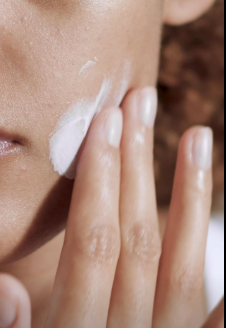
Moisturizer is the step that seals in the rest of your night skincare routine. Look for humectants such as glycerin and hyaluronic acid, which draw water into the skin, and ceramides and fatty acids, which help support the skin barrier. Applying it while your skin is still slightly damp helps it hold water.
Texture matters as much as ingredients, because a product that feels pleasant is one you will actually use. The table below shows how common textures differ, so you can match one to your night skincare routine and your skin type.
| Texture | What it feels like | Often suits |
|---|---|---|
| Gel | Light, water-based, cooling | Oily or combination skin, warm weather |
| Lotion | Thin, spreads easily | Normal to slightly dry skin |
| Cream | Thicker, richer, softer finish | Dry skin, cooler months |
| Ointment or balm | Heaviest, mostly oil or petrolatum | Very dry or chapped patches, lips |
Spread a small amount over your face and neck, pressing instead of rubbing. Fragrance-free formulas are usually the safest choice for a sensitive-skin night skincare routine, and a thin layer of petrolatum-based balm can go on lips or very dry patches.
6. Why Your Pillowcase Matters
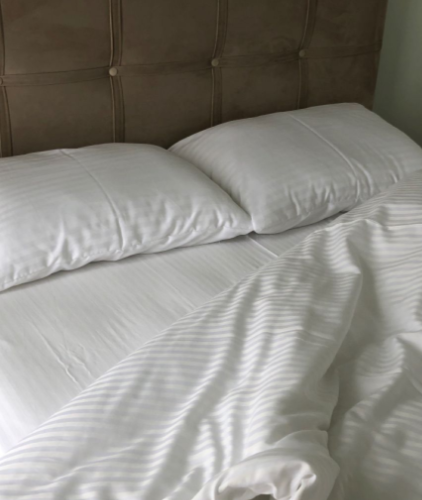
Your pillowcase touches your face for six to eight hours a night, so it deserves a place in any night skincare routine. It collects skin oil, sweat, hair products, and dust, and some of that can transfer back to your skin, especially if you are prone to breakouts.
There is little direct research on how often to change pillowcases, so treat this as common dermatology advice rather than a rule: many dermatologists suggest a fresh one weekly, and more often if your skin is oily or acne-prone. A fragrance-free detergent is a sensible choice for a sensitive-skin night skincare routine.
You may have heard that silk or satin pillowcases improve skin. Evidence for skin benefits is limited; they may reduce friction, but a clean cotton pillowcase changed regularly does the main job. Tying hair back loosely also helps your night skincare routine if you use oils or styling products.
7. A Simple Routine to Follow Tonight
Here is the whole night skincare routine in order. Allow a minute between layers if products feel sticky.
| Step | What to do | Time |
|---|---|---|
| 1. Remove | Balm, oil, or micellar water for makeup and sunscreen | 1 minute |
| 2. Wash | Gentle cleanser, lukewarm water, pat dry | 1 minute |
| 3. Serum (optional) | A few drops of hyaluronic acid or niacinamide | 30 seconds |
| 4. Moisturize | Gel, lotion, or cream over face and neck | 1 minute |
| 5. Bedding | Fresh pillowcase about once a week | Weekly |
On tired nights, a two-step version still counts: cleanse thoroughly if you wore sunscreen or makeup, then moisturize. An occasional skipped night is unlikely to cause lasting harm, but regularly sleeping in makeup can contribute to clogged pores and irritation, so keep this short version of your night skincare routine as a fallback.
8. Common Mistakes to Avoid
Most problems with a night skincare routine come from doing too much rather than too little. These habits are worth dropping early:
- Regularly sleeping in sunscreen or makeup. Both are meant to be removed at the end of the day.
- Using hot water or rough scrubs. They strip the barrier that moisturizer is supposed to support.
- Starting several new products at once. If your skin reacts, you will not know the cause.
- Over-exfoliating for glow. Exfoliating too often damages the barrier and can make skin look duller. Once or twice a week is the most a beginner needs, if at all, and not on the same night as a retinoid.
- Expecting overnight results. Skin renews on a cycle of roughly a month, so judge changes over weeks.
Avoiding these keeps your night skincare routine short, affordable, and easy to keep up.
9. Adding Products Safely and Getting Help
Introduce one new product at a time in your night skincare routine, and patch test it first on a small area such as the inner forearm for a few days. Give it three to four weeks before judging results, unless your skin becomes irritated.
Burning, swelling, or redness that lasts is a reason to stop. See a dermatologist if you have painful or scarring acne, a rash that keeps returning, or a spot that changes in size, shape, or color. A night skincare routine supports healthy skin but does not treat medical conditions.
10. Frequently Asked Questions
What is the correct order for a night skincare routine?
Remove makeup and sunscreen first, then wash with a gentle cleanser, apply an optional serum, and finish with moisturizer. Products generally go on from thinnest to thickest, so a night skincare routine ends with the heaviest layer.
Do I need to double cleanse every night?
Not necessarily. Double cleansing helps when you wear water-resistant sunscreen or long-wear makeup, because a balm or micellar water dissolves what a regular cleanser may leave behind. If you wore only a light layer of sunscreen, one thorough wash is enough in your night skincare routine.
Can beginners use retinol every night?
It is better to start slowly. Dermatology guidance is a pea-sized amount a couple of nights a week, increasing only if your skin tolerates it, and wearing sunscreen every morning. Retinoids are generally avoided in pregnancy, so ask a doctor before adding one to your night skincare routine if that applies to you.
Should I wear sunscreen at night?
No. Sunscreen is for daytime exposure to UV light. At night the aim of your night skincare routine is to remove it, so your skin is clean before moisturizer and any treatment goes on.
How often should I change my pillowcase?
Many dermatologists suggest about once a week, and more often if your skin is oily or acne-prone or if you use hair oils at night. There is limited direct research, so treat it as practical advice that supports your night skincare routine rather than a strict rule.
Is it harmful to skip my night routine sometimes?
An occasional skipped night is unlikely to cause lasting harm. Regularly sleeping in makeup or sunscreen can contribute to clogged pores and irritation, so on very tired nights do the short version of your night skincare routine: cleanse, then moisturize.
The short version
A simple night skincare routine has four steps: take off makeup and sunscreen, wash gently, add a serum only if you want one, and moisturize. Change your pillowcase regularly, add new products one at a time, and give any routine a few weeks before judging it. Pair it with the morning routine and your skin gets protection by day and support by night.
Sources & references
Dermatology and health organizations
• American Academy of Dermatology — face washing, makeup removal, and retinoid guidance — aad.org
• Mayo Clinic — skin care basics and healthy skin tips — mayoclinic.org
• NHS (UK) — skin care and sleep guidance — nhs.uk
Government and public health
• U.S. Centers for Disease Control and Prevention — sleep recommendations for adults — cdc.gov
• U.S. Food and Drug Administration — cosmetics and skin care product safety — fda.gov
Peer-reviewed research
• Yosipovitch G et al. — Time-dependent variations of the skin barrier function in humans — Journal of Investigative Dermatology, 1998
• Oyetakin-White P et al. — Does poor sleep quality affect skin ageing? — Clinical and Experimental Dermatology, 2015
• Draelos ZD — The science behind skin care: Cleansers — Journal of Cosmetic Dermatology, 2018
• Draelos ZD — The science behind skin care: Moisturizers — Journal of Cosmetic Dermatology, 2018
• Mukherjee S et al. — Retinoids in the treatment of skin aging: an overview of clinical efficacy and safety — Clinical Interventions in Aging, 2006